
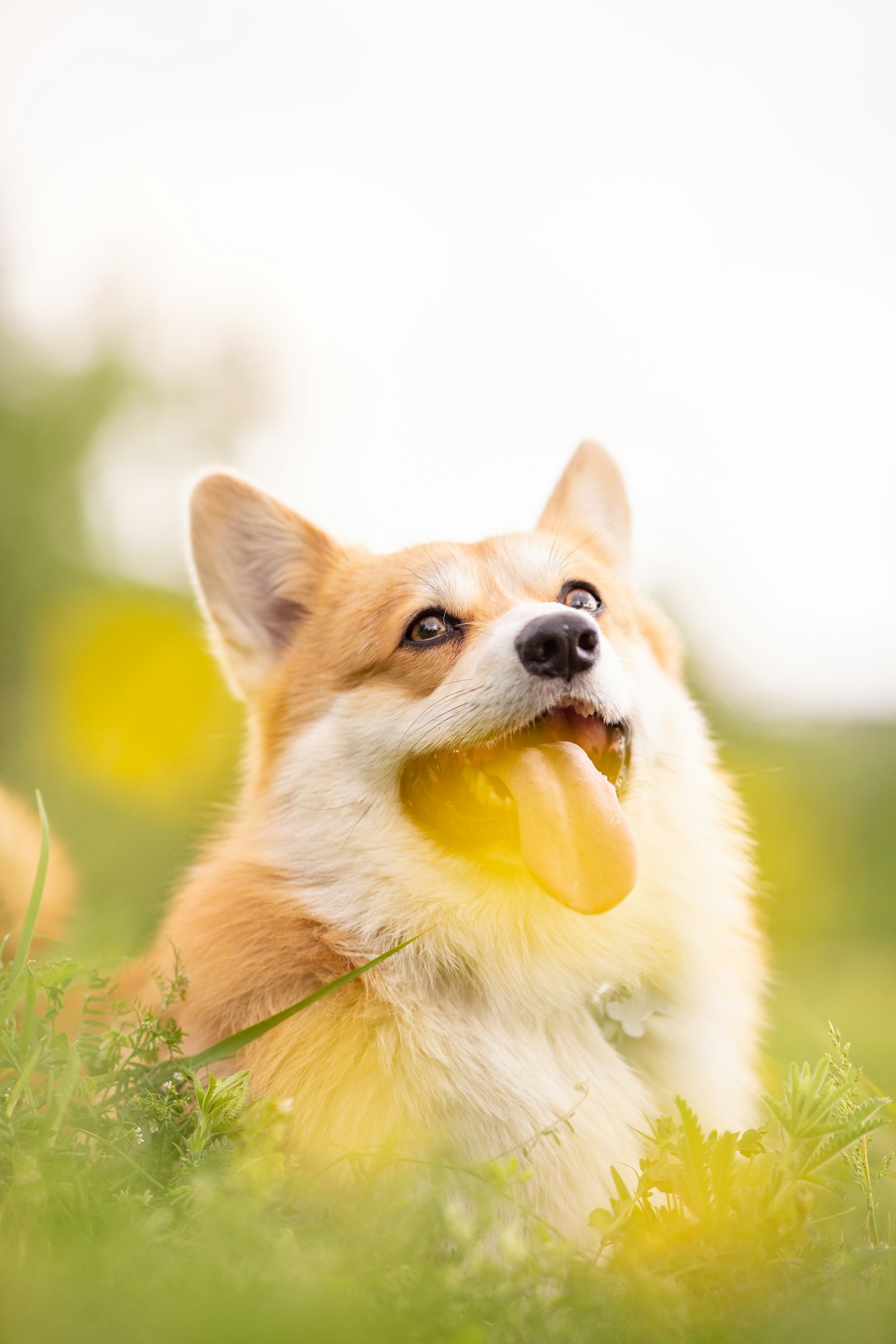
Those crunchy, savory cheese crisps are incredibly tempting, aren't they? And if you've ever crunched one near your furry friend, you've likely seen those pleading puppy dog eyes begging for a bite. It's natural to wonder: can dogs safely enjoy these cheesy delights too?
Let's break down whether cheese crisps are a harmless treat or a hidden hazard for your beloved canine.
What Exactly Are Cheese Crisps?
Cheese crisps are typically made by baking or microwaving small portions of hard cheese (like cheddar, parmesan, or Gouda) until they become dry, brittle, and intensely flavorful. They're a popular low-carb, high-protein snack for humans. Many store-bought varieties, and even some homemade ones, might include added seasonings, salt, or other ingredients to enhance their taste.
So, Can Dogs Eat Cheese Crisps? The Short Answer
In very small, plain, and infrequent amounts, some dogs might tolerate a tiny piece of cheese crisp. However, the reality is that cheese crisps are generally not recommended as a regular treat for dogs due to several significant health concerns.
The Good News: Benefits of Cheese (in moderation)
Cheese, in its simplest form and in very small quantities, isn't inherently toxic to dogs and can offer a few benefits:
- Protein Boost: Cheese contains protein, essential for muscle health.
- Calcium Source: It offers calcium, which supports strong bones and teeth.
- Pill Hiding: A tiny bit of plain cheese can be a lifesaver for hiding medication.
But these benefits often come with significant trade-offs when it comes to cheese crisps.
The Not-So-Good News: Potential Risks
While a tiny, plain piece might not cause immediate harm, several factors make cheese crisps a less-than-ideal treat for dogs:
- Lactose Intolerance: Many dogs are lactose intolerant, meaning they lack the enzyme needed to properly digest the lactose (sugar) in dairy products. Even hard cheeses, while lower in lactose, can still cause issues. Symptoms can include gas, bloating, diarrhea, and vomiting.
- High Fat Content: Cheese crisps are concentrated fat. A high-fat diet, especially if consumed suddenly or in large quantities, can lead to serious digestive upset or even trigger pancreatitis. Pancreatitis is a painful and potentially life-threatening inflammation of the pancreas.
- High Sodium Content: Most cheeses, and especially cheese crisps, are high in sodium. Too much salt can be harmful to dogs, leading to increased thirst, urination, and in severe cases, sodium ion poisoning. This can cause vomiting, diarrhea, tremors, seizures, and even death.
- Added Seasonings: Many commercial or even homemade cheese crisps contain additional ingredients like garlic powder, onion powder, or other spices. Garlic and onions are highly toxic to dogs and can cause red blood cell damage.
- Choking Hazard: The crisp, brittle texture could pose a choking risk, especially for smaller dogs or those who tend to gulp down their food.
What If My Dog Eats a Cheese Crisp?
If your dog snags a small, plain cheese crisp, don't panic. Monitor them closely for any signs of digestive upset, such as:
- Vomiting
- Diarrhea
- Lethargy
- Abdominal pain (hunched posture, refusing to move)
- Loss of appetite
If you notice any severe or persistent symptoms, or if your dog consumed a large amount or a crisp with toxic ingredients (like garlic), contact your veterinarian immediately.
Healthier Alternatives to Cheese Crisps for Dogs
Instead of risky cheese crisps, opt for dog-friendly treats that are both safe and nutritious:
- Plain Cooked Meats: Small pieces of plain, cooked chicken, turkey, or lean beef are excellent high-protein rewards.
- Vegetables: Many dogs love crunchy veggies like carrot sticks, green beans, or cucumber slices.
- Fruit: Apple slices (without seeds or core) or blueberries make sweet, healthy snacks.
- Dog-Specific Cheese Treats: Look for commercially prepared dog treats that are cheese-flavored but formulated to be low in fat and lactose.
- Homemade Dog Biscuits: Baking your own dog treats allows you to control the ingredients and ensure they are healthy and safe.
Key Takeaways for Pet Parents
While a tiny, accidental nibble of a plain cheese crisp might not be disastrous, it's best to avoid feeding them to your dog intentionally. The risks of digestive upset, pancreatitis, and sodium overdose far outweigh any minor nutritional benefits. Stick to treats specifically made for dogs or healthy human foods known to be safe for canines. When in doubt, always consult your vet about your dog's diet.
Your dog will thank you for keeping their tummy happy and healthy!