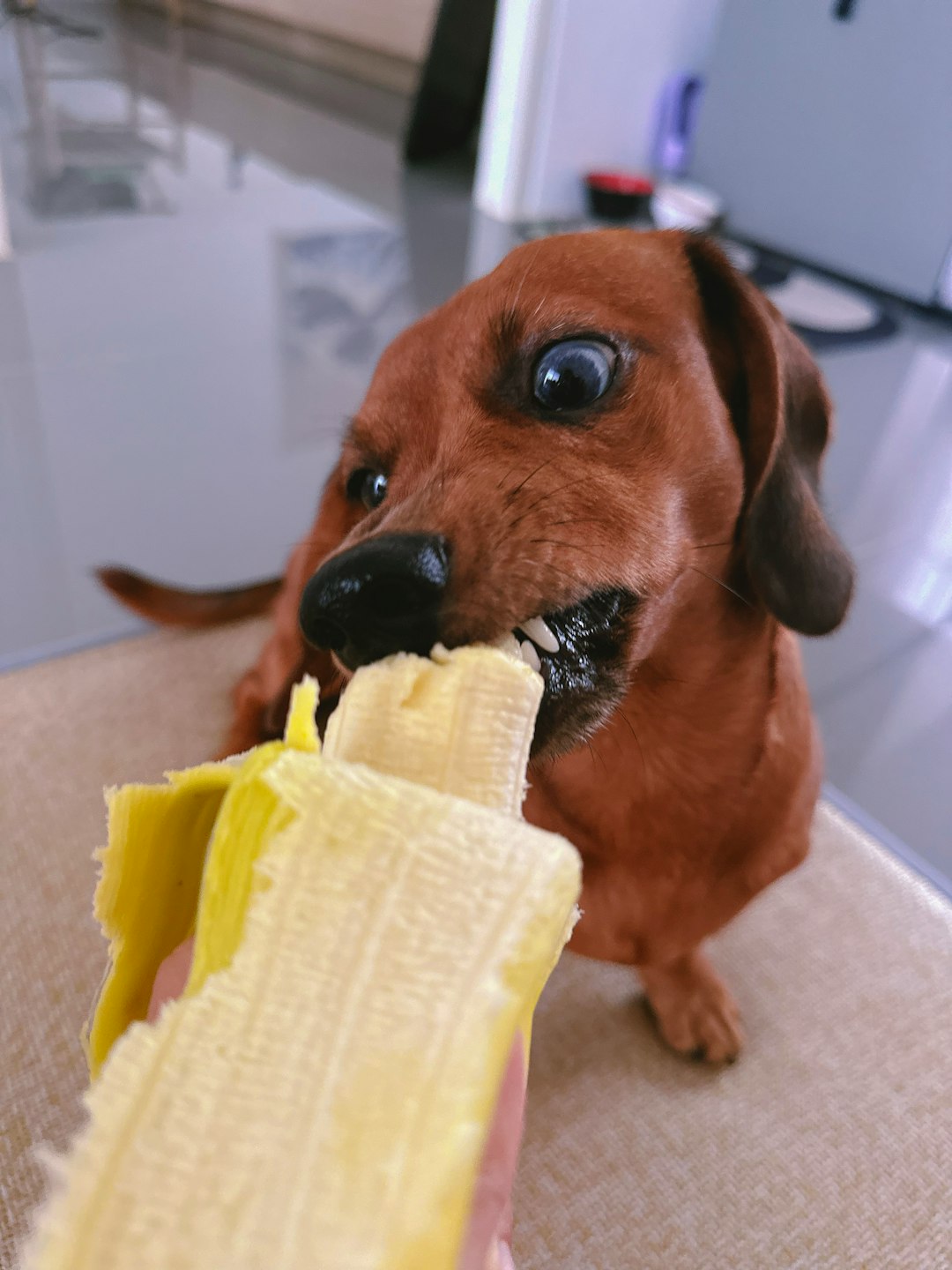
Every dog owner knows that pleading look! You're enjoying a delicious slice of cheese, and your furry friend is watching your every move. It's natural to wonder, "Can dogs eat cheese?" The answer isn't a simple yes or no, but with a little knowledge, you can make an informed decision for your beloved pup.
The Short Answer: Can Dogs Eat Cheese?
Generally, yes, most dogs can eat small amounts of certain types of cheese. However, it's not a staple food and comes with important caveats. Think of cheese as an occasional, tiny treat, not a regular part of their diet.
Why Cheese Can Be Problematic for Some Pups
While many dogs enjoy cheese without issue, there are a few reasons why it might not be the best treat for every canine.
Lactose Intolerance
Just like humans, many dogs are lactose intolerant. As puppies, they produce an enzyme called lactase to digest their mother's milk. As they grow older, this enzyme often decreases, making it harder to break down lactose (the sugar in milk products).
- Symptoms: Diarrhea, vomiting, gas, bloating, and abdominal pain. These can appear hours after consumption.
High Fat Content
Cheese is often high in fat. While some fat is essential, too much can lead to serious health problems for dogs.
- Risks: Pancreatitis (a painful inflammation of the pancreas), weight gain, and obesity. Breeds prone to pancreatitis should especially avoid fatty foods.
Sodium Levels
Many cheeses, particularly processed varieties, contain high levels of sodium. Excessive salt intake can be harmful to dogs, potentially leading to increased thirst, excessive urination, or even sodium ion poisoning in severe cases.
Hidden Ingredients
Some cheeses contain ingredients that are toxic to dogs.
- Watch out for: Garlic, onions, chives, or other herbs and spices that can be detrimental to your dog's health.
What Cheeses Are (Generally) Safer for Dogs?
If you're going to share cheese with your dog, choosing the right type and practicing strict portion control are crucial.
Moderation is Key
Remember, cheese should always be a rare, tiny treat. A piece no larger than your thumbnail for small dogs, or a pea-sized amount for larger dogs, is a good guideline.
Better Options for Occasional Treats
- Mozzarella: Low in fat and sodium, making it one of the safer choices.
- Cheddar (Mild): Lower in lactose than many other cheeses. Choose mild over sharp.
- Swiss Cheese: Also relatively low in lactose.
- Cottage Cheese: Often lower in fat and sodium, and can be a good source of protein. Opt for low-fat or fat-free varieties.
- Goat Cheese: Some dogs find goat's milk products easier to digest due to different lactose and protein structures.
Cheeses to ABSOLUTELY Avoid!
- Blue Cheeses (e.g., Roquefort, Stilton): These contain a substance called roquefortine C, which dogs are highly sensitive to and can cause vomiting, diarrhea, seizures, and tremors.
- Cheeses with Added Flavors: Any cheese with garlic, onion, chives, or other seasonings.
- Cream Cheese: Very high in fat, increasing pancreatitis risk.
- Processed Cheese Slices: Often high in salt, artificial ingredients, and preservatives.
How to Safely Share Cheese with Your Dog
If your vet gives the green light and you decide to offer a little cheese, here's how to do it responsibly:
- Start Small: Introduce a tiny, pea-sized amount first.
- Monitor Closely: Watch for any signs of digestive upset (diarrhea, vomiting, gas) over the next 24-48 hours.
- Treat, Not Meal: Cheese is a high-calorie treat; it should never replace a balanced meal.
- Portion Control: Stick to tiny pieces. Think of it as a special reward, not a snack.
- Consult Your Vet: Always discuss new foods with your veterinarian, especially if your dog has existing health conditions or dietary sensitivities.
Beyond the Treat: Creative Ways to Use Cheese (Safely)
Sometimes, cheese can be more than just a naughty treat!
- Pill Hiding: A tiny bit of cheese can be an excellent way to coax a reluctant dog to take medication.
- Training Aid: Its high value makes it a fantastic reward for training, especially for difficult commands.
- Puzzle Toys: Small pieces of cheese can be stuffed into puzzle toys for mental enrichment.
So, while a little bit of the right kind of cheese might be okay for some dogs in moderation, it's crucial to prioritize their health and well-being. When in doubt, lean on the side of caution or ask your vet. Your dog's happy tail wags are worth it!